
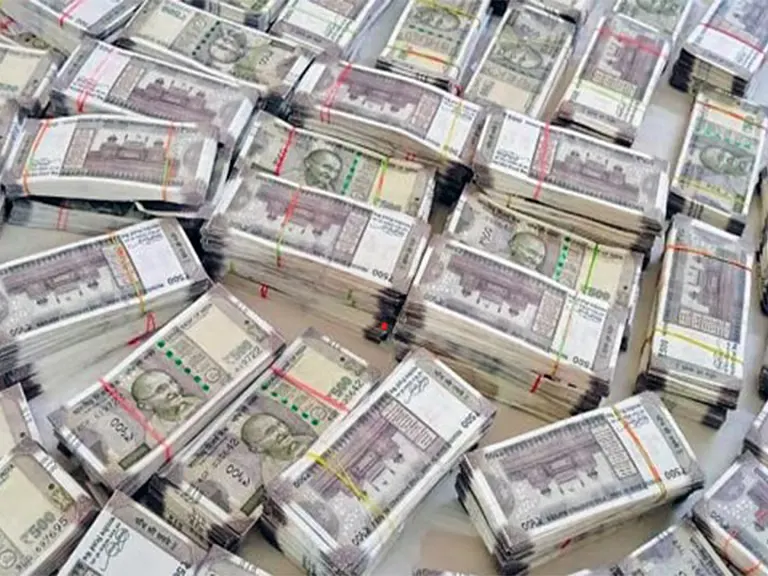
The Indian rupee hit a record low against the US dollar, closing at ₹88.7925/$. This is the weakest level ever, beating the earlier record of ₹88.47 set on September 11.
During the day, it even touched ₹88.82 intraday before settling slightly higher.
Why Did It Fall?
US Tariffs & Visa Fee Hikes
The US imposed steep tariffs and increased the H-1B visa fee to $100,000.
This directly impacts Indian IT companies since they send a large workforce to the US.
The IT sector earns 60%+ of its revenue from the US, so higher costs mean weaker outlooks.
Foreign Fund Selling
Fearing reduced exports and slower remittance inflows, foreign investors started selling Indian assets.
This selling pressure pushed the rupee down.
Remittances Risk
India is the world’s top recipient of remittances. If visa costs discourage workers abroad, inflows may shrink, further weakening the rupee.
What Are Traders Saying?
They expect the rupee may slide below 90 per dollar soon if this trend continues.
Interestingly, volatility (market fear) hasn’t spiked much — traders think the fall is steady, not a sudden panic.
3-month implied volatility (future price swings) is at a 6-month low.
1-year volatility is at its lowest of 2025 so far.
What Does This Means for You?
Imports get costlier → oil, electronics, gadgets, gold will be more expensive.
Overseas travel & education costs rise → you’ll need more rupees for the same dollars.
IT & outsourcing companies could see shrinking margins.
On the flip side, exporters may benefit because they get more rupees for each dollar earned.
Why Is Volatility Staying Low?
Corporate Hedging
Indian companies are actively using options to hedge their dollar exposure (protect themselves from a weaker rupee).
They’re buying cheap options → this adds liquidity and reduces volatility.
Effectively, companies are supplying volatility to banks instead of demanding it.
Less Offshore Speculation
Foreign traders aren’t betting heavily against the rupee right now.
This keeps demand for “rupee decline bets” subdued.
Massive Growth in Options Market
Corporate activity in rupee options has jumped 70%, reaching $73 billion Jan–Aug 2025, compared to the same period last year.
Back in 2020, the market was tiny (less than $20B).
So, a deeper market = more stability.
Role of the RBI
The Reserve Bank of India (RBI) has been absent from intervening in the forex market lately.
Why? Possibly to support exporters who are already struggling with the 50% levy on shipments to the US.
A weaker rupee = exporters earn more in rupees for every dollar.
The Bigger Problem
While exporters may benefit, the overall economy suffers because:
India is a net importer (imports > exports).
A weaker rupee makes imports costlier → leads to imported inflation (prices of fuel, electronics, machinery go up).
This can hit consumers and industries hard.
The only silver lining:
Crude oil prices are stable, staying under $70/barrel.
Since oil is India’s biggest import, this helps cushion the blow.