
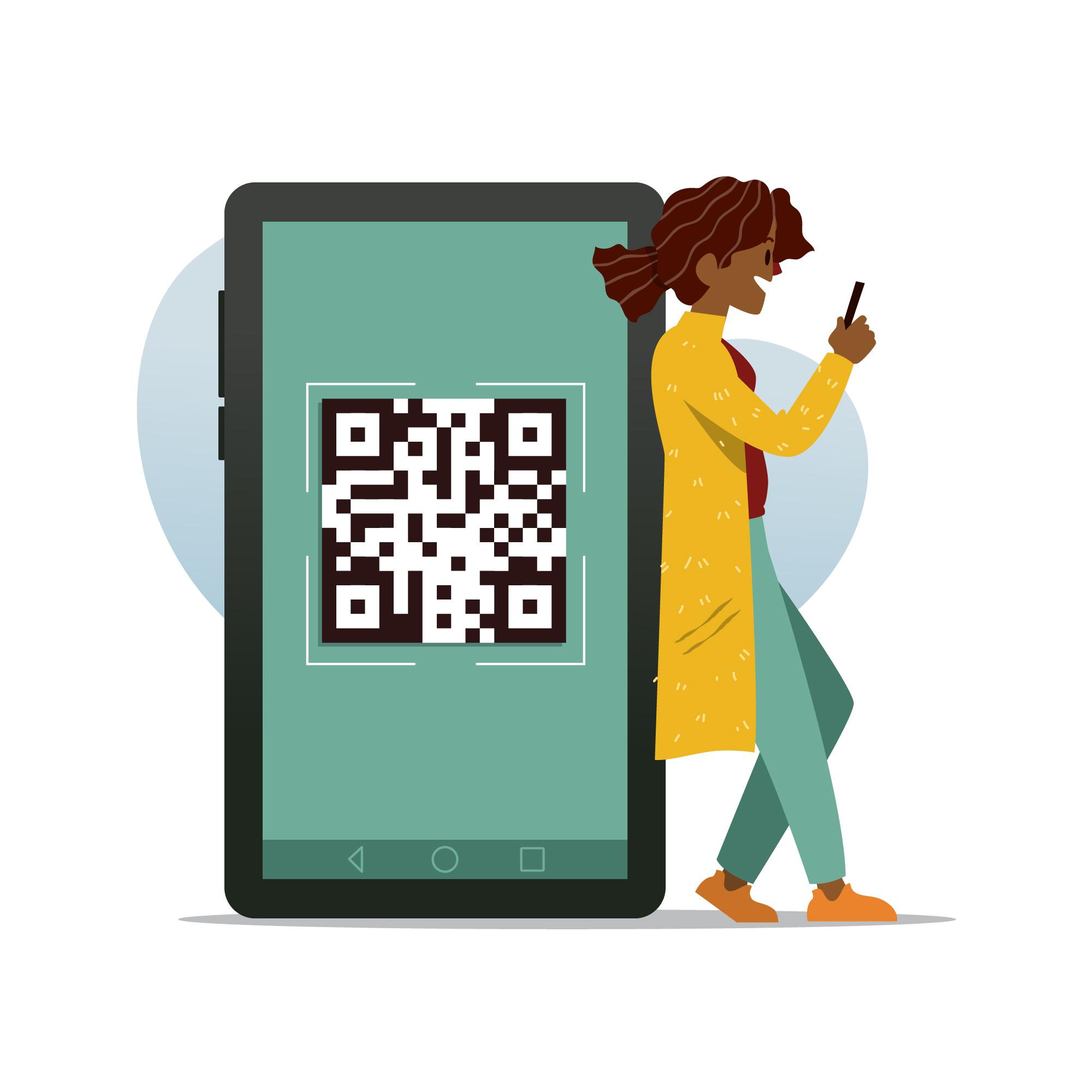
Despite their convenience, experts caution that QR codes can conceal expensive scams. What actions ought to be taken prior to scanning? Advice on how to protect yourself.
Quick Response (QR) codes are very easy to use; simply scan them to make a payment or click on a link. However, scammers may also abuse them to:
Send you to phony websites
Start the download of harmful apps
Gather your banking or personal information.
Concede you to transfer funds to a fraudulent account.
What's the issue?
In India, QR codes are widely utilized and incredibly convenient:
To make a UPI payment
To look through menus at restaurants
To purchase tickets
Even for Wi-Fi connections
However, scammers are increasingly exploiting them as their use has skyrocketed.
How Can Scammers Deceive?
Fraudsters are displaying phony QR codes in public areas, such as over the authentic ones at:
Metro stations
Meters for parking
Stores and shops
Alternatively, they send WhatsApp messages or emails with QR codes that read:
"You’ve won a prize!"
"Pay ₹10 to confirm delivery!"
Upon scanning these codes, individuals may:
Be directed to fraudulent websites that steal your information.
Be duped into unintentionally paying
have their bank account information or personal information stolen
How to Keep Yourself Safe
Look for signs of tampering: is the QR sticker adhered to another one? Be Cautious.
Avoid scanning random codes, especially from offers or mails that haven't been confirmed.
Some scanners display the website before you click on it.
To scan, use reliable apps like Paytm, PhonePe, or GPay.
After scanning a QR code, never input your password or OTP—legitimate ones won't ask.
Tools That Help Make QR Codes Safer
While QR codes are super handy, they can also hide risky links. Thankfully, there are free tools that check QR codes before you open anything harmful. Here’s how they help:
1. Google Lens (Built into Android phones)
2. Kaspersky QR Scanner & Trend Micro QR Scanner
3. Lionic Secure QR Code Scanner
4. Sophos Intercept X for Mobile
Why Make Use of These Tools?
Scammers can use QR codes to conceal malicious links.
Before anything hazardous is released, these instruments serve as a safety filter.
You can still enjoy the convenience of scanning while gaining peace of mind.
Although QR codes are designed to make things easier, scammers rely on you to act quickly and without thinking. Using reliable security apps and taking a moment to confirm the source can make a big difference. As QR codes become more commonplace, smart safety is smart scanning.