
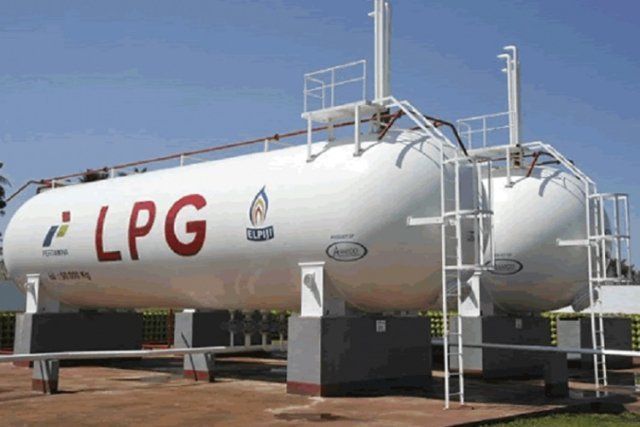
Indian public-sector oil corporations, such as Indian Oil Corporation (IOC), Bharat Petroleum (BPCL), and Hindustan Petroleum (HPCL), have acquired a one-year agreement to import 2.2 million tonnes per annum (MTPA) of LPG from the United States, marking a historic first. About 10% of India's planned LPG import requirements for the upcoming year are represented by this volume.
The agreement is being hailed by analysts and government sources as a major step toward strengthening India's energy security and expanding its LPG supplies.
Why Is It Important?
Increasing Energy Source Diversification
India has always relied significantly on LPG from Middle Eastern suppliers. A strategic shift that broadens its fuel mix and lowers geopolitical risk is represented by turning to the United States.
Volume of Strategy
The contractual 2.2 MTPA is a significant commitment that represents a long-term, strategic supply agreement and accounts for over a tenth of India's yearly LPG import demand.
Benchmarking and Pricing
Indian importers may be able to stabilize costs and lessen their vulnerability to swings because the arrangement is structured using pricing benchmarks from a U.S. LPG hub.
Enhanced U.S.-India Energy Relations
The deal highlights New Delhi and Washington's expanding energy cooperation. It might open the door to future energy contracts that are more structured.
Greater Context: The Meaning of the Timing
Growing Demand: India's LPG usage is still rising, particularly among households that take advantage of subsidized distribution programs.
Price Volatility: India hopes to protect itself from supply disruptions and regional price shocks by diversifying its sources.
Geopolitical Strategy: India's bargaining leverage in the global energy market is strengthened and supply risk is distributed by reducing reliance on traditional Middle Eastern suppliers.
Effects on Indian Customers
Energy Security: Stable availability for Indian families is made possible by a more dependable and varied LPG supply.
Cost Potential: The government and importers may be able to negotiate lower prices if they have access to U.S. LPG, which might eventually help consumers.
Long-Term Framework: Although this agreement is only for a year, it may serve as a model for more extensive and sustainable energy cooperation between the two nations.