
For decades, management research has reinforced one simple truth: what’s good for customers is ultimately good for business. Ignore customers, and the consequences show up sooner or later often on the balance sheet.
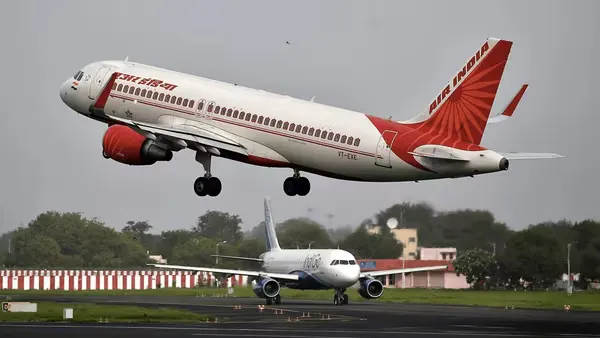
The recent financial struggles of IndiGo and Air India offer a textbook example of this principle in action.
A Costly Warning Sign for India’s Biggest Airlines
Air India’s projected loss of $1.6 billion and IndiGo’s 78% plunge in profits are not isolated financial setbacks. Together, they point to a deeper issue: a growing disconnect between airline management decisions and passenger experience.
In an industry where trust, reliability, and service quality are critical, both airlines appear to have underestimated the long-term cost of customer dissatisfaction.
IndiGo’s December 2025 Crisis: A Preventable Breakdown
IndiGo’s troubles became painfully visible in December 2025, when widespread flight cancellations left lakhs of passengers stranded across the country. The disruption was severe, but what made it more damaging was the reason behind it.
The crisis stemmed from IndiGo’s failure or refusal to hire enough pilots to comply with new pilot roster rules. These regulations had been announced well in advance, leaving ample time for preparation. Instead, operational readiness took a back seat to aggressive expansion and cost control.
The result was chaos for passengers and a serious blow to the airline’s reputation.
Global Rankings Reflect Growing Customer Dissatisfaction
Independent international benchmarks further highlight IndiGo’s service challenges.
Skytrax World Airline Awards 2025 ranked IndiGo 39th globally, based on:
In-flight products
Cabin service
Ground operations
AirHelp, in its 2024 global customer satisfaction survey, placed IndiGo at 103 out of 109 airlines worldwide.
From Operational Excellence to Service Gaps
What makes this shift more striking is IndiGo’s past success. The airline once revolutionised Indian aviation through:
Strong operational discipline
High aircraft utilisation
Competitive pricing
Reliable schedules
Today, however, IndiGo increasingly represents the risk of expanding faster than service systems can support. More aircraft and routes mean little if staffing, customer support, and operational resilience fail to keep pace.
Air India’s Struggle Reinforces the Same Lesson
The anticipated losses for Air India highlight a similar scenario. Financial performance is still lagging despite increased investment and restructuring initiatives, which begs the question of whether customer experience changes are occurring quickly enough to rebuild loyalty and trust.
Scale by itself does not ensure profitability in aviation. Even established firms find it difficult to keep customers in a cutthroat market without reliable service.
The Bigger Business Lesson
The takeaway goes far beyond the aviation industry. IndiGo and Air India highlight a universal business truth: customer experience is not a soft or optional metric. It has a direct impact on revenue, brand credibility, and long-term sustainability. While short-term cost savings achieved through understaffing or operational shortcuts may improve numbers temporarily, they often result in far greater losses over time by eroding customer trust and damaging the business’s long-term value.