
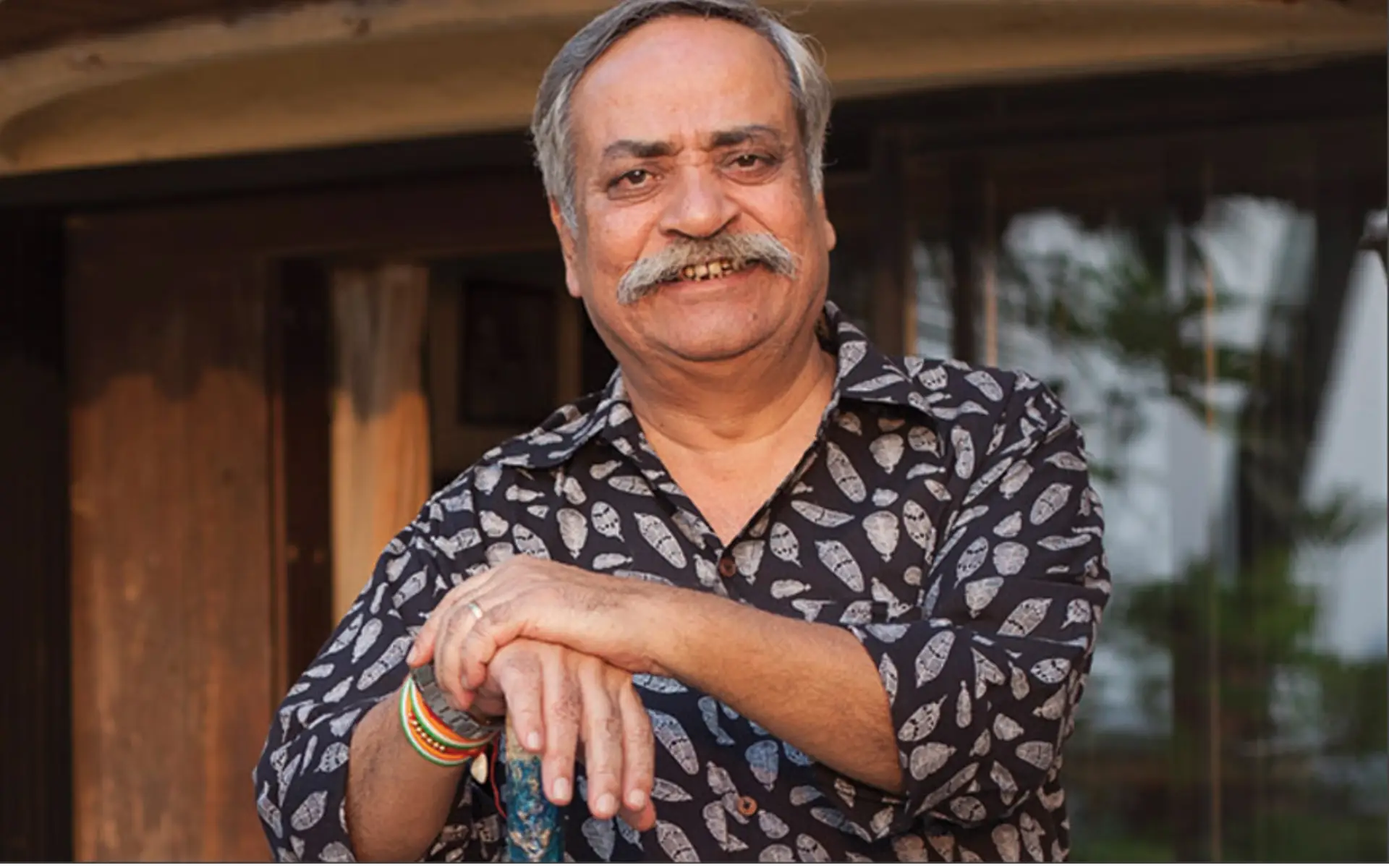
Pandey was born in Jaipur in 1955, but his path was anything but typical. Before discovering his actual vocation in advertising, he experimented with cricket, tea tasting, and construction work.
Formal English, refined aesthetics, and remote messaging were all hallmarks of the colonial accent of the industry when he joined Ogilvy India (then a division of Ogilvy & Mather) in 1982. However, Pandey heard the soul of common Indians, the warmth of everyday language, and the rhythm of the streets. He was bold enough to speak Indian.
Campaigns under his creative direction told tales of pride, laughter, family, and hope in addition to selling goods. "No audience is going to see your work and ask, 'How did they do it?'" he famously remarked. They will declare, "I adore it."
Historic Campaigns That Live on in People's Memories
With the slogan "Kuch Khaas Hai," he elevated chocolate from a kid's treat to a celebratory icon.
Millions of people were stuck in their memories by the iconic "bus stuck" commercial for Fevicol, which transformed an industrial adhesive into a pop culture icon.
With Asian Paints' "Har Ghar Kuch Kehta Hai", he gave Indian homes a poetic voice; paint suddenly meant more than just colour; it meant identity and emotion.
His creative influence was even felt in politics, as the catchphrase "Ab ki baar, Modi sarkar" became ingrained in the public's mind.
Subsequent honours included the Padma Shri (2016), the CLIO Lifetime Achievement Award (2012), and the LIA Legend Award (2024), each of which served as a reminder of his profound influence.
What He Leaves Behind and the Loss
When someone like Pandey departs, there is an emotional hole in addition to a creative one. India lost a voice, and the industry lost a storyteller. He was influencing culture in addition to developing advertisements." He changed not just the language of Indian advertising – he changed its grammar, as one colleague described it.
What's left?
the innumerable artists he guided.
The ads that continue to bring up memories, tears, and smiles.
Talk to the people, says the legacy. Use their language. Respect their lives.
Fevicol ka jod toot gaya. The ad world lost its glue today.” — Hansal Mehta