
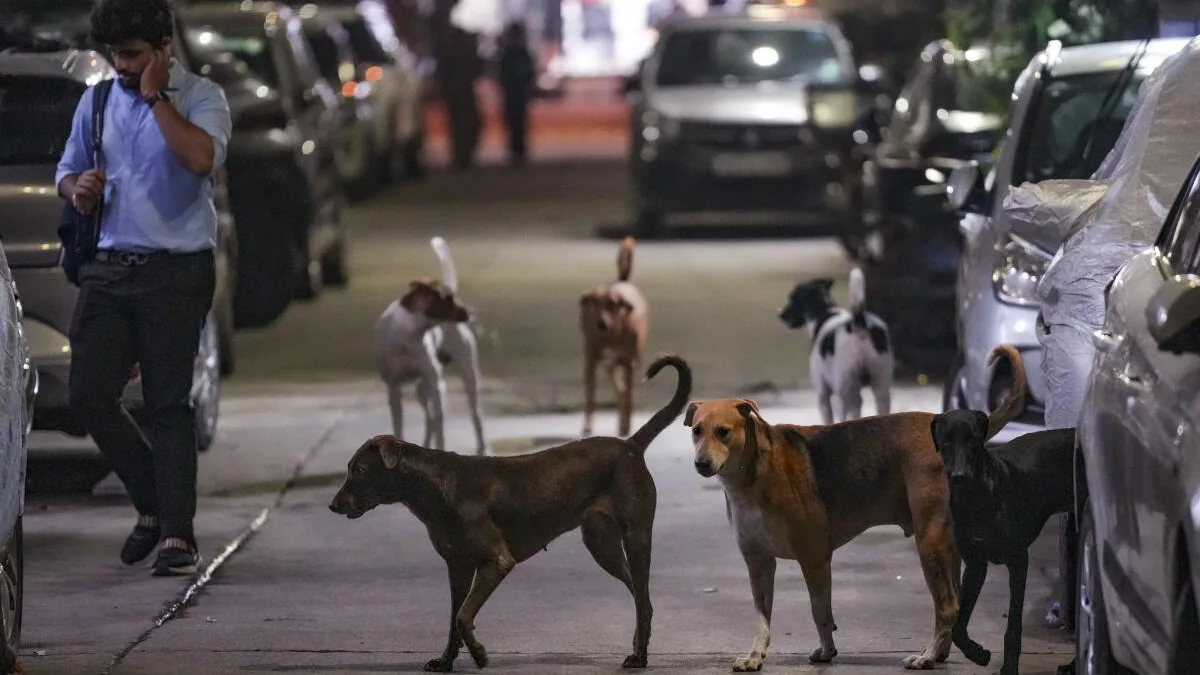
The Supreme Court revised its controversial ruling about stray dogs after receiving heavy public outcry. Get all the details in our developing news story.
Highlights of Supreme Court’s Revised Order
During its original ruling on 8th August 2025, the Supreme Court ordered that all stray dogs should be taken into shelters from the streets of Delhi NCR. The order drew massive public outcry, with some claiming that it was an angry judgement.
Now, in the latest hearing, Supreme Court said that stray dogs can be released back into the original area after sterilisation and deworming. However, aggressive or rabies-infected dogs will stay in shelters.
Social and Legal Context
The initial directive to pick up and permanently shelter stray dogs sparked outrage, with animal rights groups, celebrities, and civic activists all protesting.
Infrastructure Challenges: Critics said that civic bodies lacked the ability to keep lakhs of stray dogs, rendering the original decree unrealistic and inhumane.
Legal Reaction: Several petitions were filed, alleging that the order violated the Animal Birth Control (ABC) Rules, 2023, and lacked stakeholder input.
Judicial Activism and Social Jurisprudence: The new order illustrates the Supreme Court's evolving role in striking a balance between constitutional rights, public safety, and the ethical treatment of animals.
Implications
Improved Public Safety: Aggressive or rabid dogs will be contained, reducing dog bites and residents' fear, particularly in highly populated metropolitan areas.
Controlled Feeding Methods: Banning public feeding and relocating it to restricted zones ensures cleaner public spaces and decreases confrontation between feeders and neighbours. It also allows for more effective monitoring of stray dog health and behaviour.
Legal Streamlining and Accountability: Centralising all stray dog matters under the Supreme Court and demanding fees for legal representation discourages frivolous lawsuits and guarantees that only serious players participate in the process.