
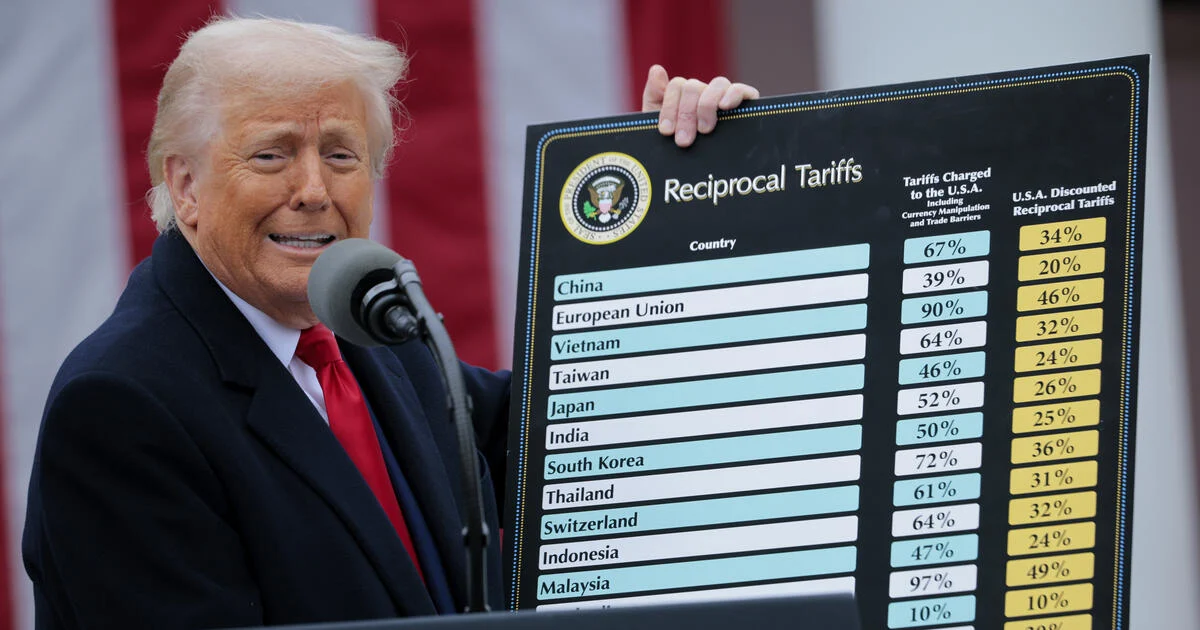
US President Donald Trump recently said that India may face 20 - 25% tariffs, but the levy rate hasn’t been finalised yet. Keep reading to find out more, including his proposed tariffs, implications, and more.
History of India - US Trade Relations
1947–1990s: Trade was restricted as a result of protectionist measures and Cold War affiliation.
1991 Reforms: India opened up its economy to foreign investment.
2005: The 2005 Civil Nuclear Agreement fortified strategic alliances.
2019: India's GSP status got terminated by the US in 2019 during Trump's first term.
2024: India reports a $46B surplus, and bilateral trade reaches $129B.
- 2025: Until the trade agreement is finalised, Trump has suggested imposing 20–25% tariffs.
Trump’s Proposed Tariffs for India
Using India's unfair tariffs as justification, Trump has suggested imposing 20–25% tariffs on Indian goods unless a trade agreement is struck by August 1, 2025. Despite referring to India as a "good friend," he maintains that reciprocal trade policies are necessary to help American companies.
India is negotiating to avoid the tariffs, and by late August, a US delegation is anticipated in New Delhi. Concessions on energy and defence imports may be made by officials while protecting important industries like pharmaceuticals and agriculture.
Breakdown of the tariffs
Implications
Economic Strain: An increase in tariffs by 20–25% could considerably reduce India's export earnings, particularly in vital industries such as electronics, textiles, and auto components. MSMEs might find it difficult to cope with the impact due to their narrow profit margins.
Urgency in Trade Negotiations: India is under pressure to conclude a trade deal promptly. A failure to achieve this could result in retaliatory actions or long-term changes in supply chains away from Indian exporters.
Shifts in Geopolitical Dynamics: The tariffs indicate a movement towards bilateralism and economic nationalism. Therefore, India must manage this situation with strategic diplomacy while protecting its domestic interests.
Prospects amidst Challenges: If India can provide reciprocal market access and enhance trade facilitation, it could position itself as a favoured alternative to China in global supply chains.